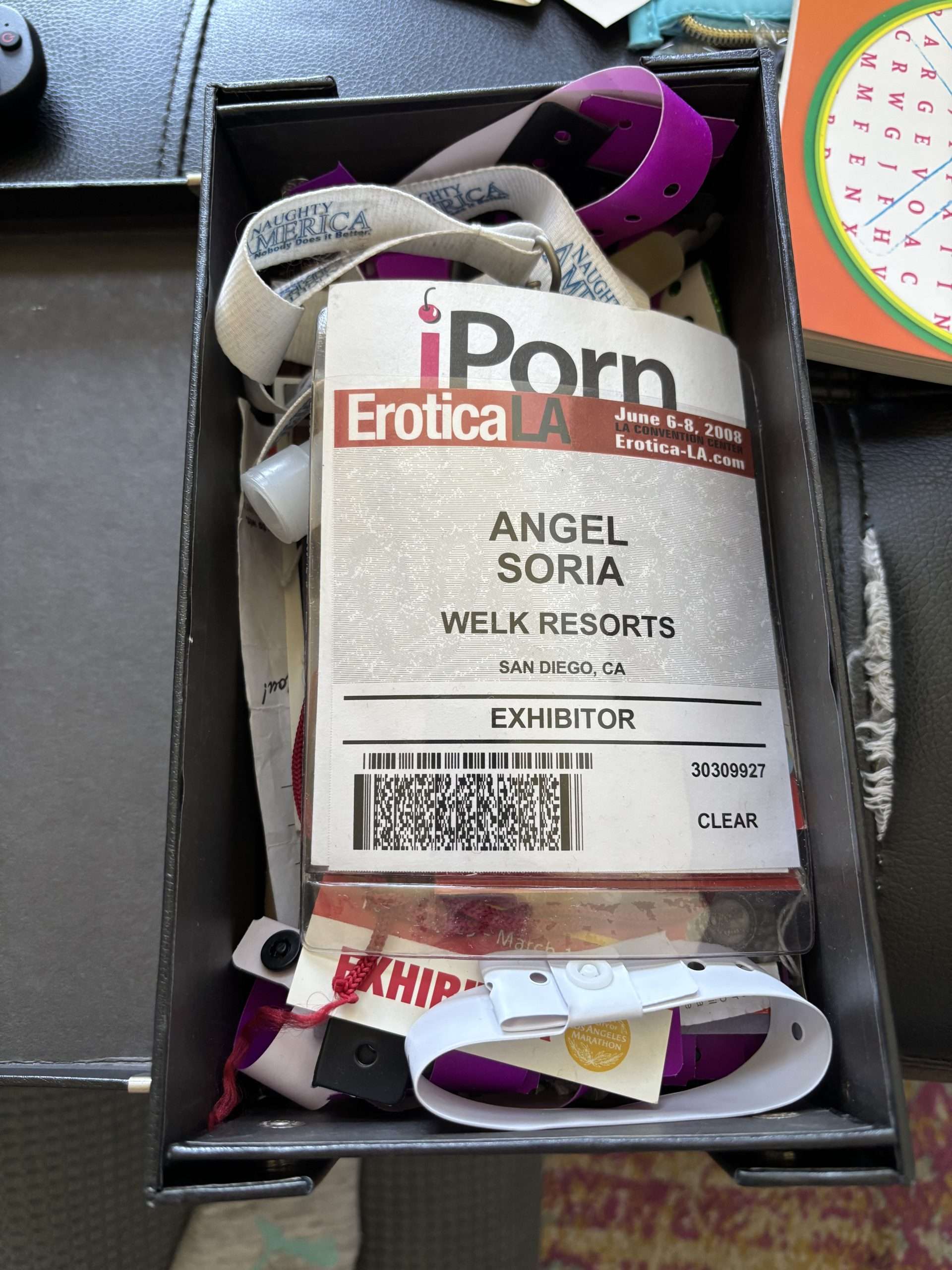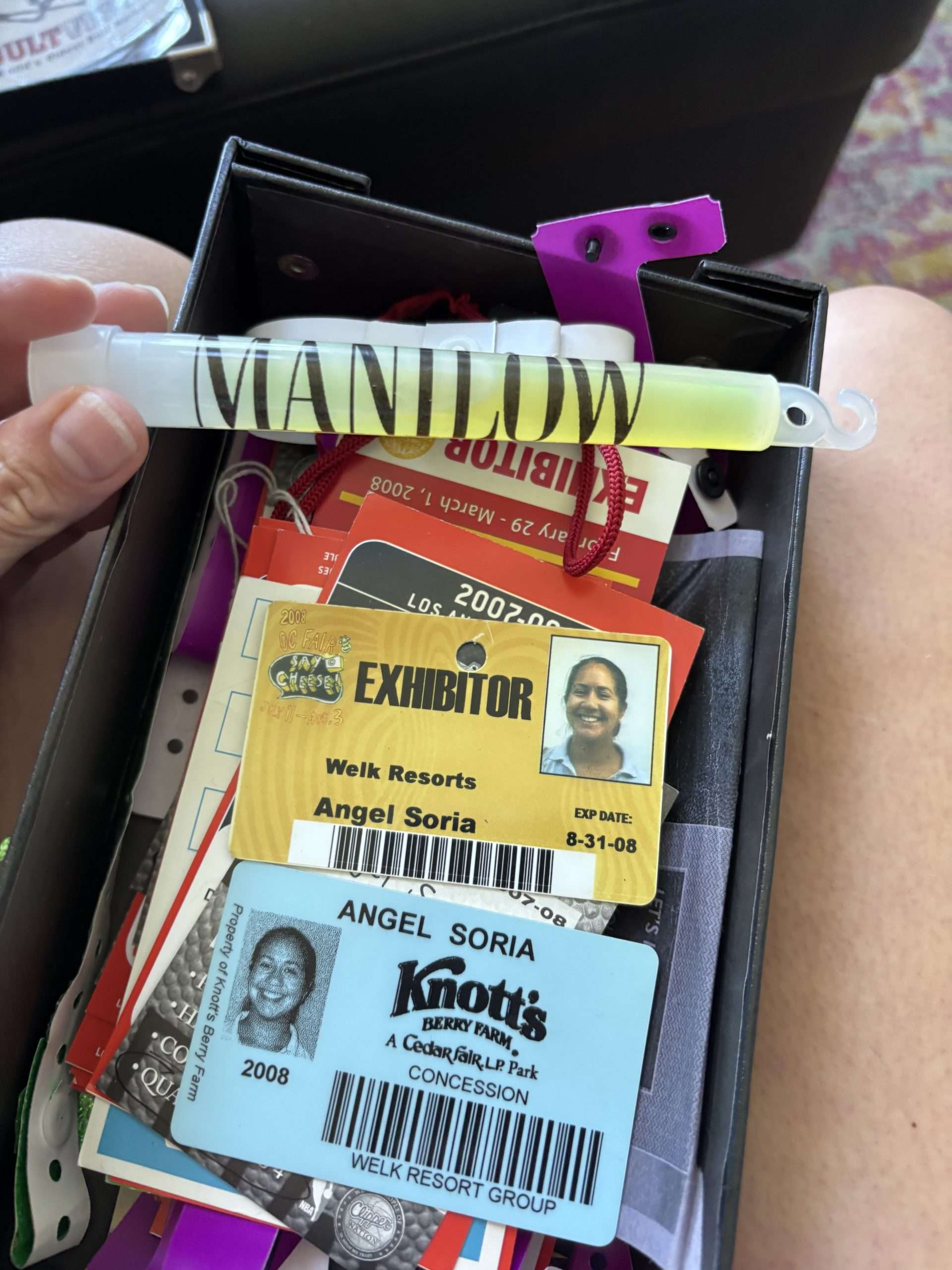
- Angel Soria
- Brand Blog, Brand Experience Lab, Career Story, Welk Resorts
Gold’s Gym taught me how to run the machine. Welk taught me how to take the show on the road.
After six years of 12-hour days running gyms, I was ready for something different.
At a Dodgers game with a Gold’s executive and her son, I met Tony. He was cute—never hurts—and he wrote his number on a Welk lead card. I’m not exactly shy, so I called to see what it was about. The fact that he worked inside Chavez Ravine gave the whole thing a little extra clout.
Somehow, that very nontraditional introduction turned into a job.
Which, honestly, was perfect. I’m also nontraditional.
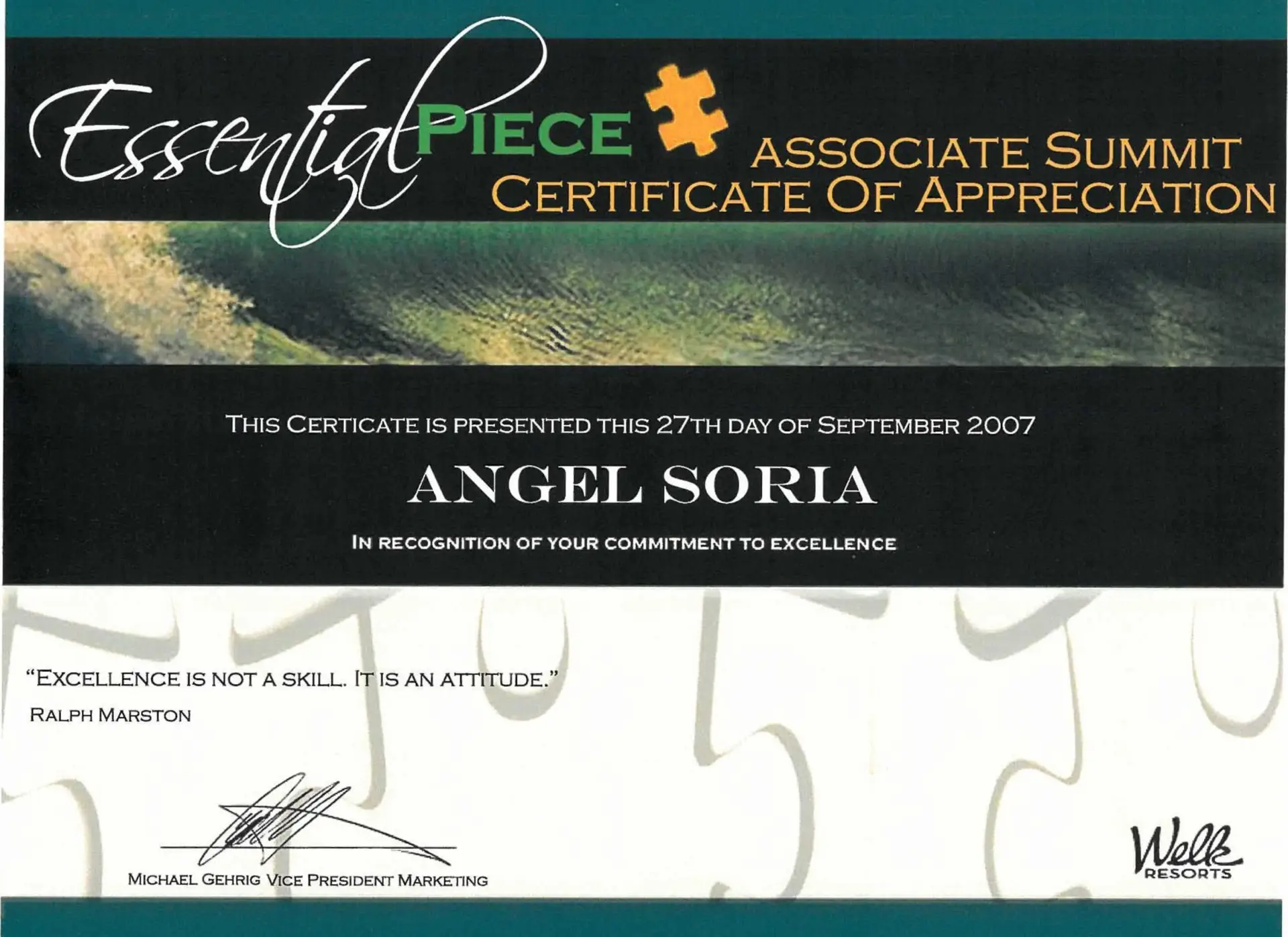
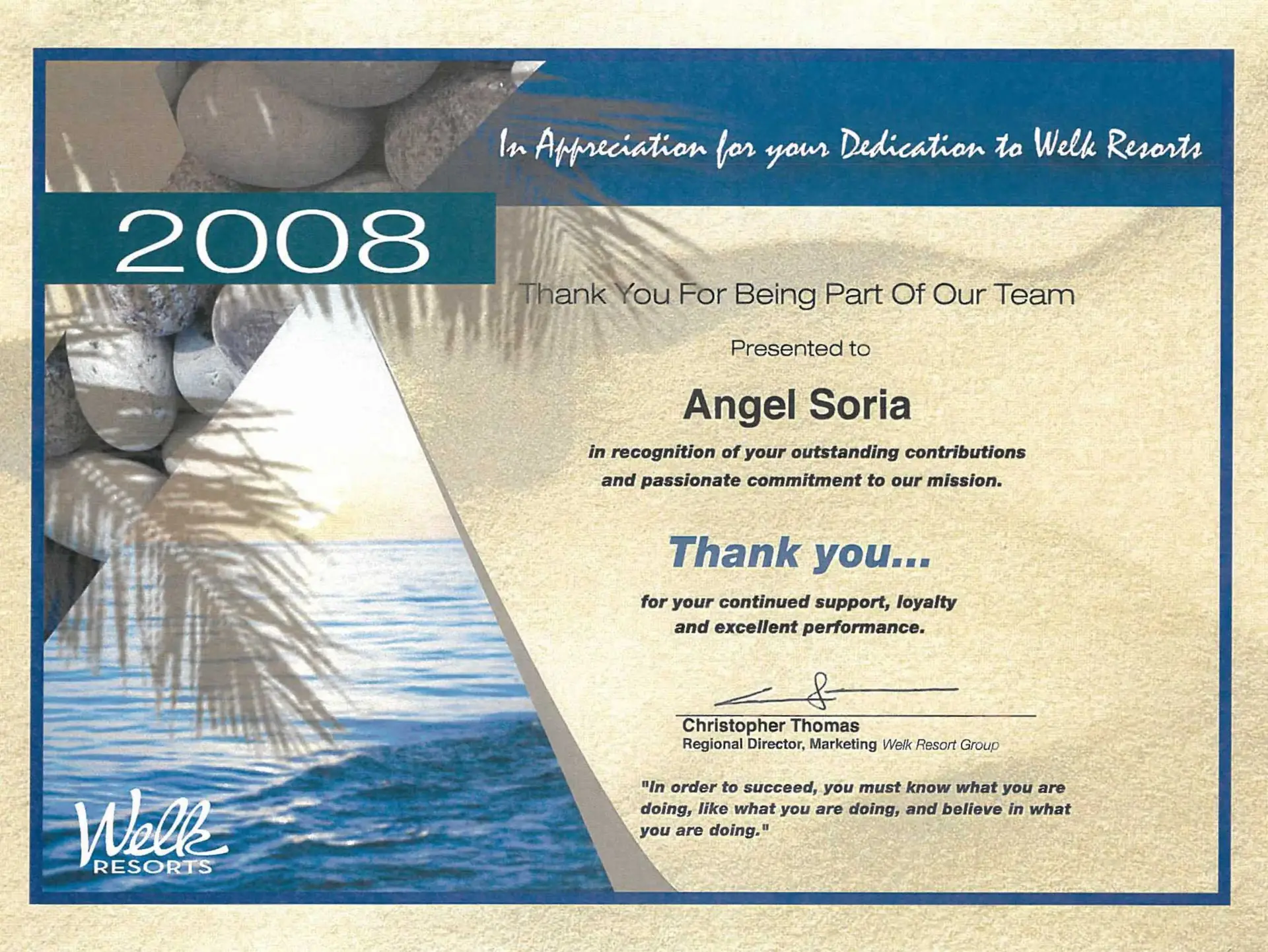
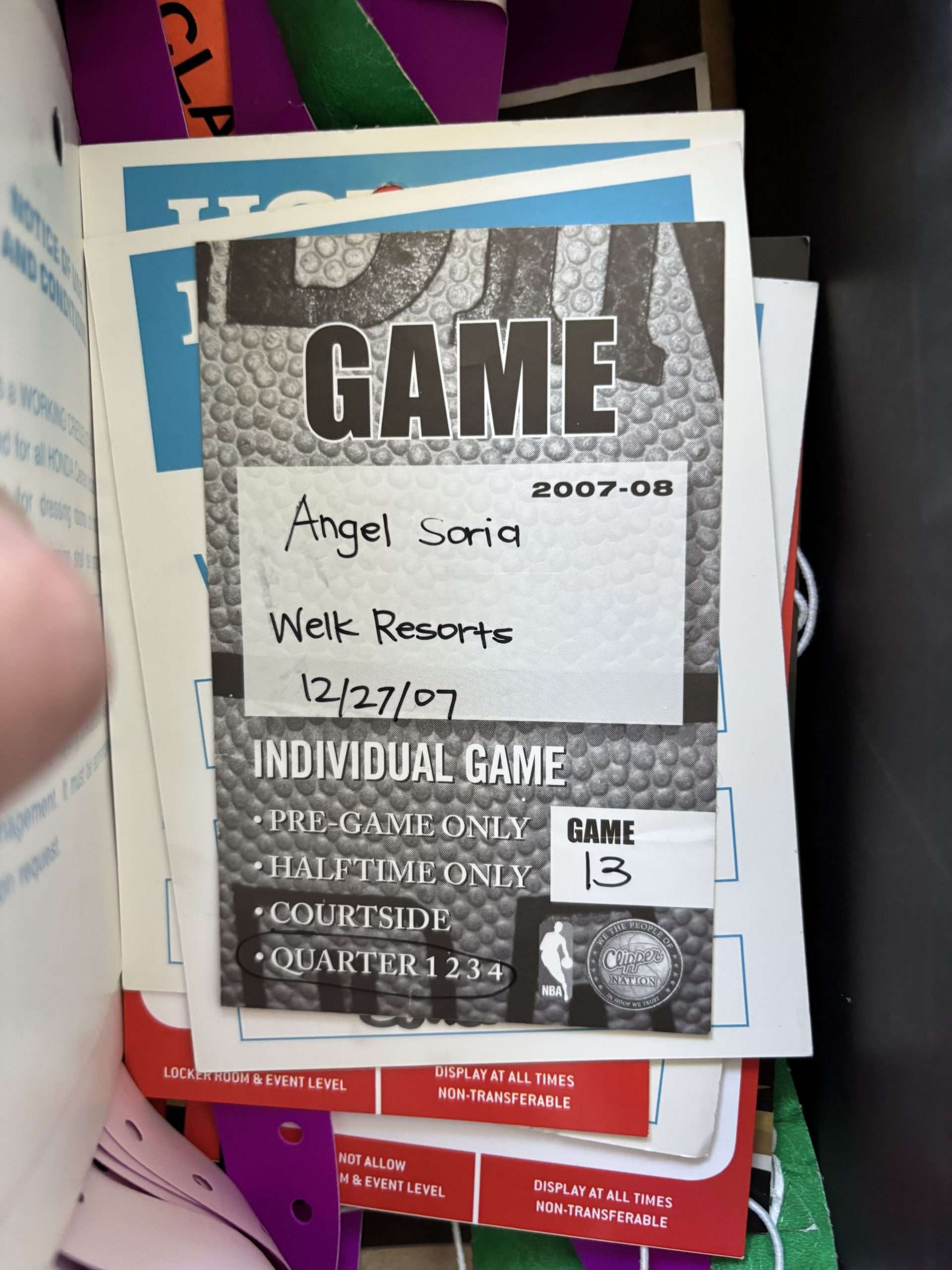
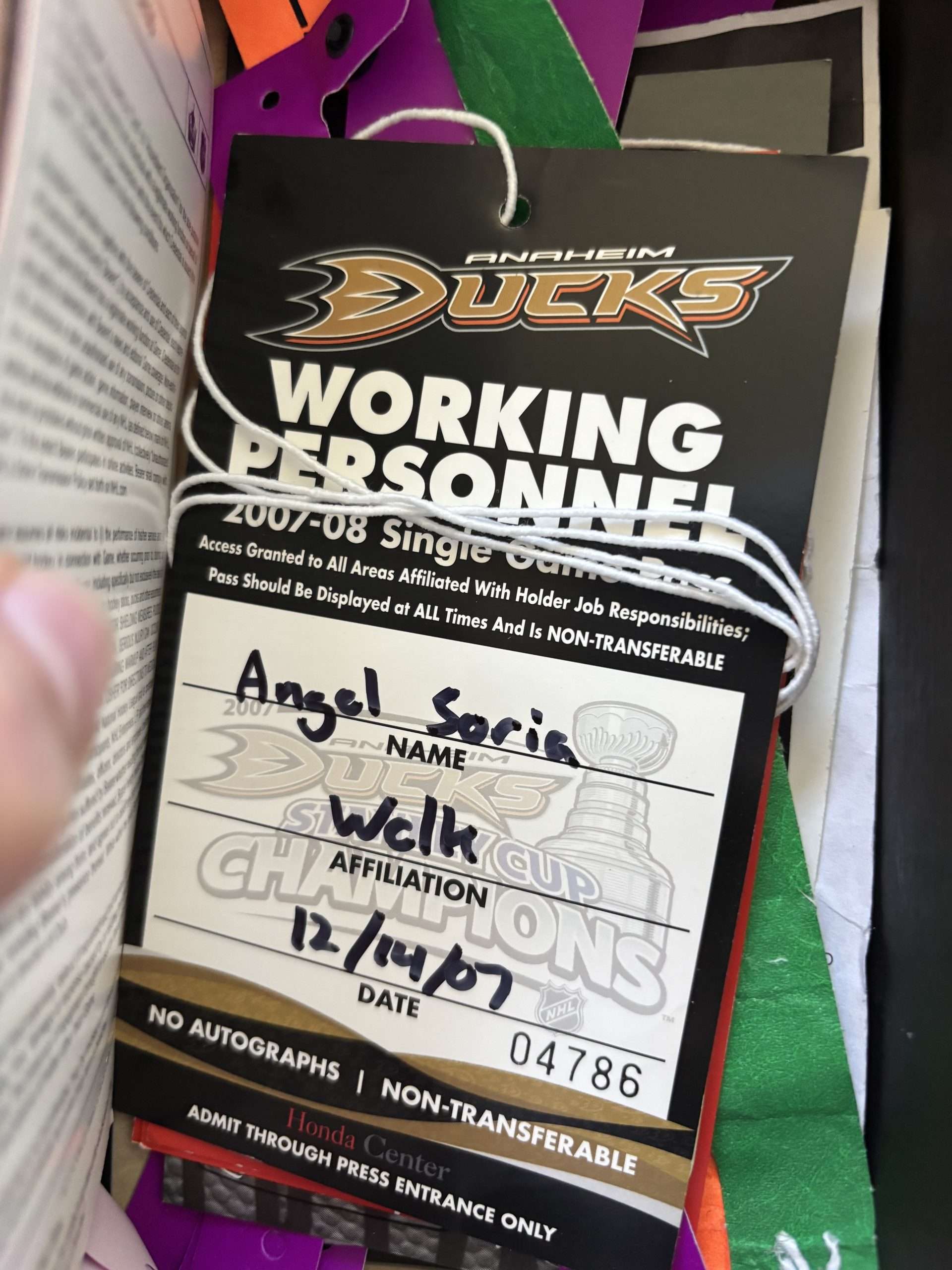
I started as a Marketing Agent and was promoted to Marketing Manager in under a year. Suddenly, instead of running one operation, I was moving across Southern California—Lakers and Clippers games, Kings and Ducks, Dodgers, Galaxy, Live Nation, Knott’s Berry Farm—figuring out how to stop people in their tracks, start a conversation, and turn attention into qualified leads. For a closer look at the activations, partnerships, and results behind the work, check out the case study here.
The schedule itself felt like freedom. I’d start my workday around 4 p.m. and wrap around 9 or 9:30 p.m., which beautifully set me up for a night of post-work fun in Hollywood. I could stay out late, sleep in, wake up around 9:30 or 10 a.m., and roll out of bed for spin class at 24 Hour Fitness at the Arclight or boxing at Central Boxing Club before doing it all again.
After spending so long working literally below ground level at 7th & Fig in DTLA with no sunlight, I finally felt like I was living life again—instead of operating like a vampire.
The work was unpredictable by design. Some activations were packed; some, decidedly not. There’s nothing quite like working Knott’s in the middle of the week when the place is dead, wondering who exactly you’re supposed to pitch or approach.
The team had its own chemistry, too. Everyone seemed to arrive with some eccentric combination of previous jobs, careers, and life experiences—which made sense, because this wasn’t exactly a traditional career path.
Neither was I.
Social media still wasn’t a twinkle yet. But the fundamentals were already there: audience, environment, partnerships, entertainment, pop culture, timing, the offer—and whether you could turn somebody’s attention into action.
Live Nation. Pro sports. Theme parks. Live events.
Every environment required a different read of the room.
Welk taught me that the same message doesn’t work everywhere, attention is worthless if you can’t convert it, and the right partnership can put a brand directly inside the experience instead of somewhere on the sidelines.
Gold’s had taught me ownership, operations, and how all the pieces of a business work together.
Welk taught me how to take those instincts into the wild—meet the audience where they already were, earn their attention, and turn the moment into opportunity.